Sasso Chickens

Home

Service Details

Sasso Chickens

Sasso chickens are a hardy, slow-growing breed originally developed in France for meat production. They are known for their strong growth, disease resistance, and ability to perform well in free-range or low-input farming systems, which is why they are very popular in Africa, including Kenya, Tanzania, and Nigeria.

The breed was developed by the French poultry company SASSO, which has specialized in colored broilers since the 1960s.

What Are Sasso Chickens?

Sasso chickens are a type of colored broiler chicken breed originally developed in France by the poultry breeding company SASSO.

They are bred mainly for meat production, but unlike fast-growing white broilers, Sasso chickens grow more slowly and naturally, making them very popular for free-range and village-style poultry farming.

Today, Sasso chickens are widely raised in:

  • East Africa (Kenya, Tanzania, Uganda)

  • West Africa

  • Asia

  • Latin America

  • Small and medium-scale farms worldwide

Farmers like them because they are strong, adaptable, and profitable for rural farming systems.

Main Characteristics of Sasso Chickens

Physical Appearance

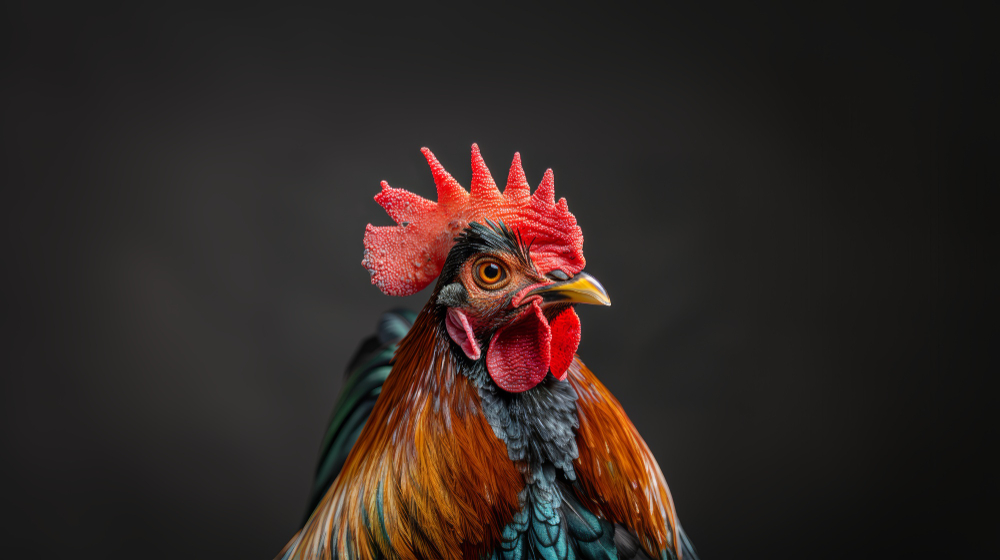
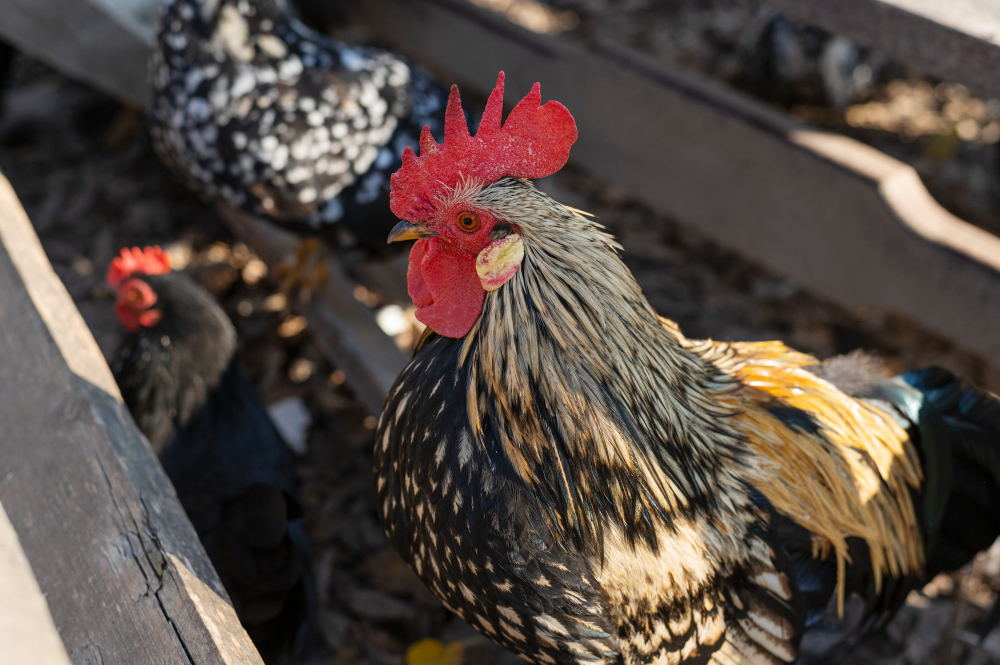
  • Usually red, brown, or multicolored feathers

  • Strong body frame

  • Yellow legs

  • Larger and heavier than local village chickens

  • Look similar to traditional country chickens

Temperament

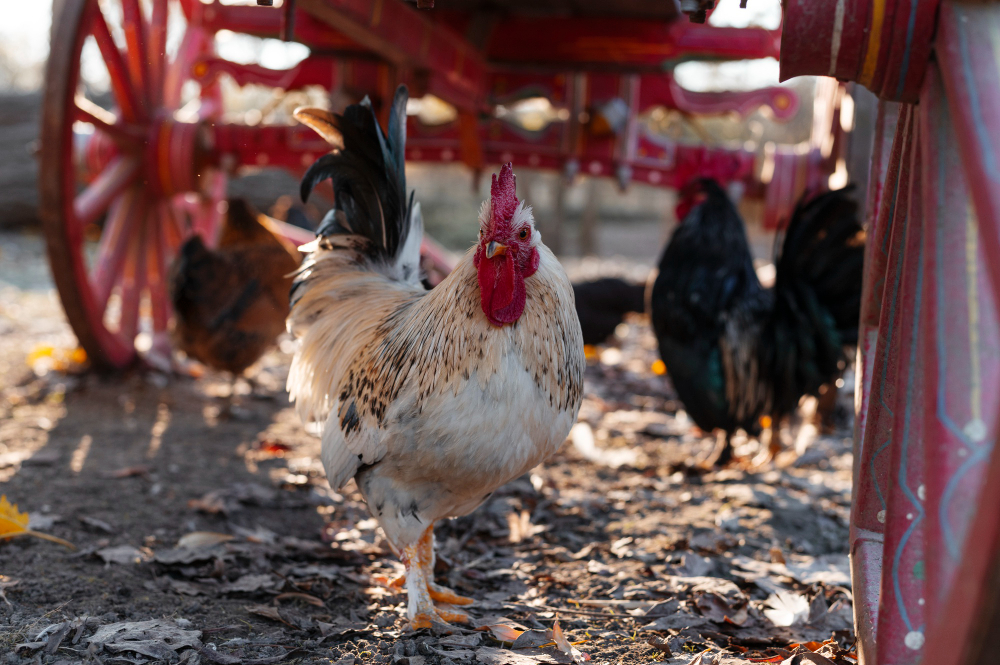
  • Calm and easy to manage

  • Good for free-range systems

  • Adapt well to different climates

differences between Sasso, Kuroiler, and normal broilers for African poultry farming:

Sasso Chickens

Origin: France (adapted for African climates) Purpose: Mainly meat (dual-purpose for eggs as well) Growth Rate: Slower than commercial broilers (market weight 3–4 kg at 16 weeks) Egg Production: Moderate (180–250 eggs/year) Feed Efficiency: Moderate; can scavenge; less feed-intensive than broilers Strengths: Disease-resistant Hardy in free-range systems Firm, flavorful meat Good survival rate Weaknesses: Slower growth Not very high egg production Best for: Farmers who want hardy, flavorful meat and can wait a bit longer for growth.
Kuroiler Chickens

Origin: India (developed by ICAR to improve rural poultry) Purpose: Dual-purpose (meat + eggs) Growth Rate: Moderate; faster than Sasso, slower than broilers Egg Production: Good (180–250 eggs/year; can start laying at 18–20 weeks) Feed Efficiency: Good; can scavenge; adaptable to low-input systems Strengths: Very hardy, resistant to diseases Survive well in free-range and rural systems Good combination of meat and eggs Adapted for harsh conditions Weaknesses: Meat not as firm as Sasso Slower than commercial broilers for mass meat production Best for: Rural farmers needing both eggs and meat with minimal inputs.
How can we help you?

Call or WhatsApp us today to place your order or ask questions.

Meat Quality

One reason Sasso chickens are popular is their excellent meat quality.

Characteristics:

  • Firmer meat texture

  • More flavor than white broilers

  • Less watery meat

  • Preferred for traditional cooking

Restaurants often prefer them for:

  • grilled chicken

  • stew

  • roasted chicken

  • traditional dishes

In Africa they are often marketed as “improved kienyeji chicken.”

Egg Production

Although mainly raised for meat, Sasso hens also produce eggs.

Average production:

  • 180 – 250 eggs per year

  • Egg color: brown

  • Egg size: medium to large

However, they are not as productive as commercial layer chickens.

Advantages of Sasso Chickens

1. Strong Disease Resistance

They are more resistant to diseases than commercial broilers.

2. Good for Free Range

They can:

  • forage for food

  • survive in rural environments

  • handle temperature changes

3. Lower Mortality

Sasso birds generally have lower death rates than broilers.

4. Better Market Price

Customers often pay more for Sasso chicken meat than normal broilers.

5. Dual Purpose

They can be used for:

  • meat

  • eggs

  • breeding

Disadvantages

Slower Growth

Compared to broilers, they take longer to reach market weight.

Broilers:
6–7 weeks

Sasso:
10–14 weeks

Feed Cost

Because they grow longer, they consume more feed overall.

Not Maximum Egg Layers

For egg farming, specialized layers like ISA Brown are more productive.

Feeding Sasso Chickens

Typical feed program:

Starter Feed

Age: 0–4 weeks
Protein: 20–22%

Grower Feed

Age: 4–8 weeks
Protein: 18–20%

Finisher Feed

Age: 8 weeks to market
Protein: 16–18%

They can also eat:

  • maize

  • sunflower cake

  • greens

  • insects

  • kitchen scraps

This makes them good for semi-free range farming.

Sasso Chickens in Africa

Sasso chickens are extremely popular across Africa because they combine:

  • strength of local chickens

  • productivity of commercial breeds

Countries where they are widely raised:

  • Kenya

  • Tanzania

  • Uganda

  • Nigeria

  • Ghana

  • Rwanda

Many government and NGO poultry programs distribute Sasso chicks to rural farmers.

Looking for healthy chicks, quality poultry, or fresh eggs? Order from Koko Chicken Farm today and grow your farm or feed your family with confidence. Contact us now to place your order or learn more about our poultry products.

Kiserian area of Arusha, Tanzania

Ms Jeanetta A Owens

+255-759-092-266

Free Consultation

“Book Your Free Consultation Today”