- +255-759-092-266
- info@elementskit.com
- Kiserian area of Arusha, Tanzania

Cockerels
Home / Contact
Do You Know
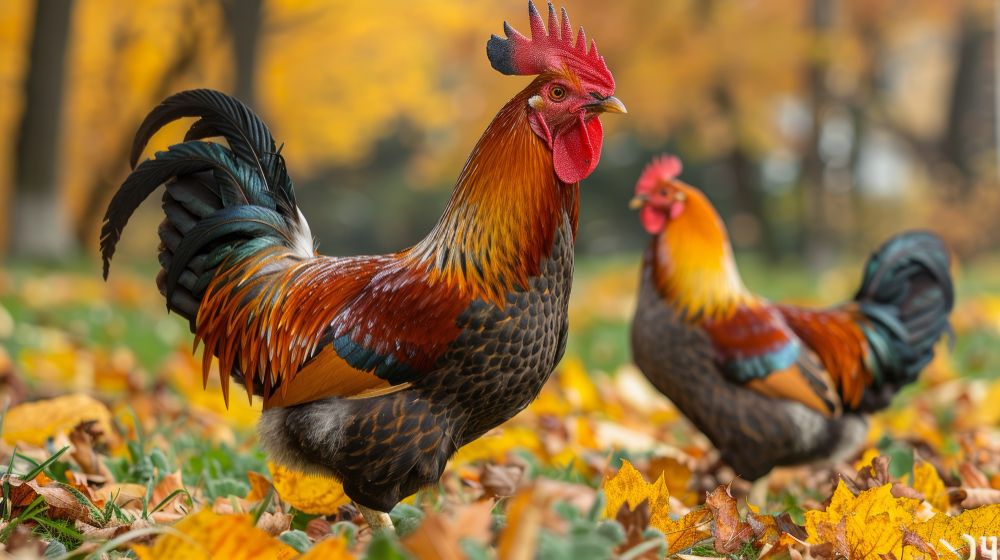
- Cockerel = a young male chicken under one year old (in some regions used until sexual maturity). After one year or after crowing/mating they’re often called roosters or cocks.
- Related terms: pullet (young female), rooster/cock (adult male), capon (castrated male).
Appearance & biology
- Physical traits: upright posture, more pronounced comb and wattles than pullets, developing hackle (neck) and saddle (back) feathers, thicker legs, often brighter and bolder plumage.
- Size & weight: varies widely by breed — bantams (small) to large meat breeds.
- Sexual dimorphism: males typically larger, with longer tail feathers and spurs emerging on legs as they age.
- Growth stages: chick → cockerel/pullet (juvenile) → rooster/hen (adult).
Behavior & social dynamics
- Vocalization: crowing begins as cockerels mature; frequency varies by individual and breed.
- Dominance: establish pecking order; cockerels may show aggression as they mature.
- Mating behavior: show courtship (tidbitting, wing-flapping) to attract hens.
- Protective role: many guard the flock, alerting to threats and sometimes confronting predators.
Feeding & nutrition
- Starter/grower feed: balanced protein for growth (usually higher protein in starter/grower feeds).
- Finisher/maintenance: lower protein for mature birds; layer feed for laying flocks (note cockerels don’t need layer feed).
- Supplements: grit for digestion if feeding whole grains; calcium isn’t required for males the way it is for laying hens.
- Water: continuous access to clean water; increased needs in heat.
Common breeds and types (examples useful for product/breed pages)
- Meat breeds: Cornish, Plymouth Rock (large, fast-growing).
- Dual-purpose breeds: Rhode Island Red, Sussex, Orpington (good for eggs & meat).
- Ornamental/show breeds: Polish, Sebright, Silkie (distinctive looks, popular for shows).
- Bantams: small varieties like Japanese bantam — popular for urban/small-scale keepers.
- Tips: highlight breed-specific traits (temperament, crowing level, color patterns, suitability for backyard vs. farm).
Health & common issues
- Parasites: lice, mites, worms — regular checks and treatments as needed.
- Respiratory diseases: keep ventilation good and avoid overcrowding; vaccination programs for common flock diseases where appropriate.
- Injuries: spurs/fighting wounds — trim or manage aggression; separate if injury occurs.
- Nutrition-related: watch for overfeeding (obesity) and deficiencies (poor feathering, slow growth).
- Biosecurity: quarantine new birds, control visitor access, sanitize equipment.
Health-checked, ready to go.
- Fast delivery and full health guarantee — start building your backyard flock with confidence.
Breeding, Crowing & Management
- Sexual maturity: varies by breed; typically 16–28 weeks.
- Breeding tips: ratio of males to females commonly 1:8–1:12 depending on breed and desired fertility.
- Crowing management: training won’t stop natural crowing; for noise concerns consider keeping roosters out of dense residential areas, soundproofing or using breeds that crow less.
- Sexing chicks: vent sexing (professional) or feather sexing for sex-linked hybrids; wait until juvenile stage for clear traits.

Looking for healthy chicks, quality poultry, or fresh eggs? Order from Koko Chicken Farm today and grow your farm or feed your family with confidence. Contact us now to place your order or learn more about our poultry products.
Kiserian area of Arusha, Tanzania
Ms Jeanetta A Owens
+255-759-092-266
Free Consultation
“Book Your Free Consultation Today”